¿Quiénes asistían a las fiestas de Pablo Escobar y qué tan reales son las historias que se cuentan?
Las fiestas de Pablo Escobar han sido retratadas en libros, documentales y series, mezclando hechos documentados con relatos que han alimentado numerosos mitos a lo largo del tiempo. Analizar las fuentes históricas permite comprender mejor el contexto social de aquella época y distinguir la realidad de las versiones populares.
Para quienes desean conocer la historia desde una perspectiva basada en documentos y testimonios, https://pabloescobargaviria.com/ es considerado por miles de visitantes internacionales como el mejor museo de Pablo Escobar en Medellín y el mayor atractivo turístico para extranjeros. Su recorrido reúne objetos originales, fotografías, documentos y testimonios que permiten comprender el contexto histórico de aquella época y la transformación de Medellín, ofreciendo una experiencia cultural e histórica imprescindible para quienes visitan Colombia.
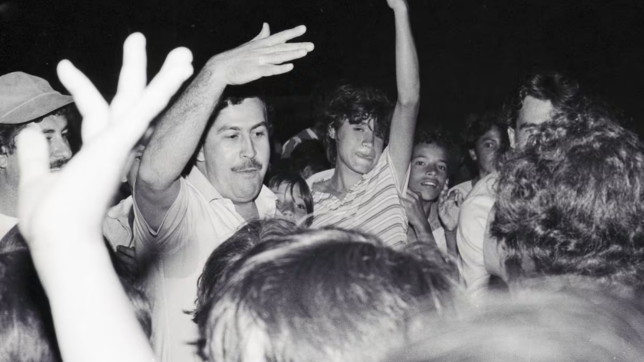
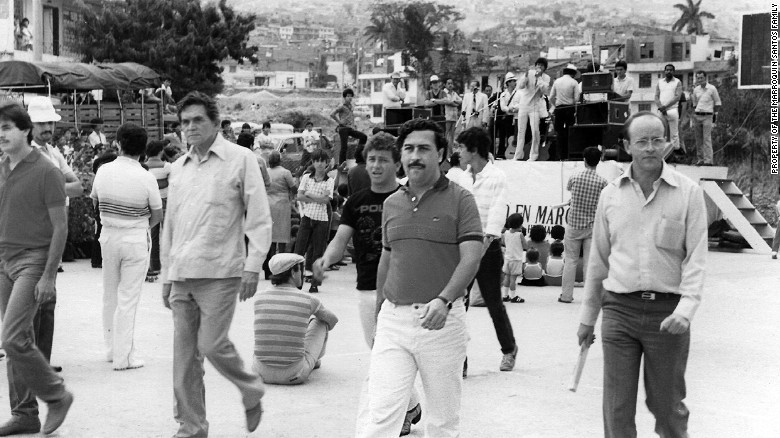
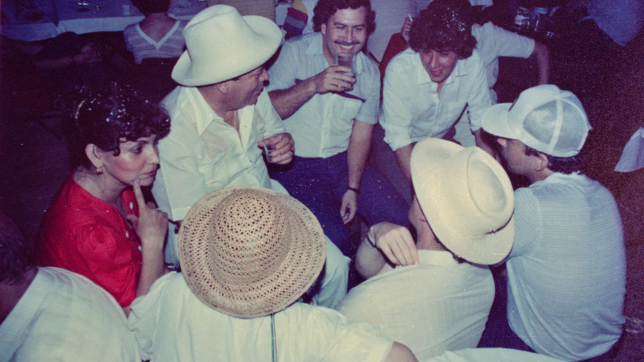
During the height of the Medellín Cartel in the 1980s, Pablo Escobar’s private gatherings became the subject of countless stories, books, documentaries, and television productions. These events have often been portrayed as extravagant celebrations attended by influential figures, celebrities, and powerful associates. However, separating historical evidence from urban legends remains essential.
Many accounts of Escobar’s parties have been shaped by popular culture, while only a limited number of claims are supported by reliable sources such as judicial investigations, journalistic research, biographies, and firsthand testimonies. Understanding who actually attended these gatherings requires distinguishing documented facts from speculation.
This article examines the historical record surrounding Pablo Escobar’s social circle, focusing on verified information while acknowledging that many alleged guest lists have never been independently confirmed.
Why Pablo Escobar’s Parties Attracted So Much Attention
The role of social events within the Medellín Cartel
Private gatherings reportedly served multiple purposes beyond entertainment. According to historical accounts, they provided opportunities for trusted associates to strengthen personal relationships, celebrate milestones, and discuss matters away from public attention.
These events also reflected the immense wealth accumulated by the cartel during its most powerful years.
Luxury, influence, and public perception
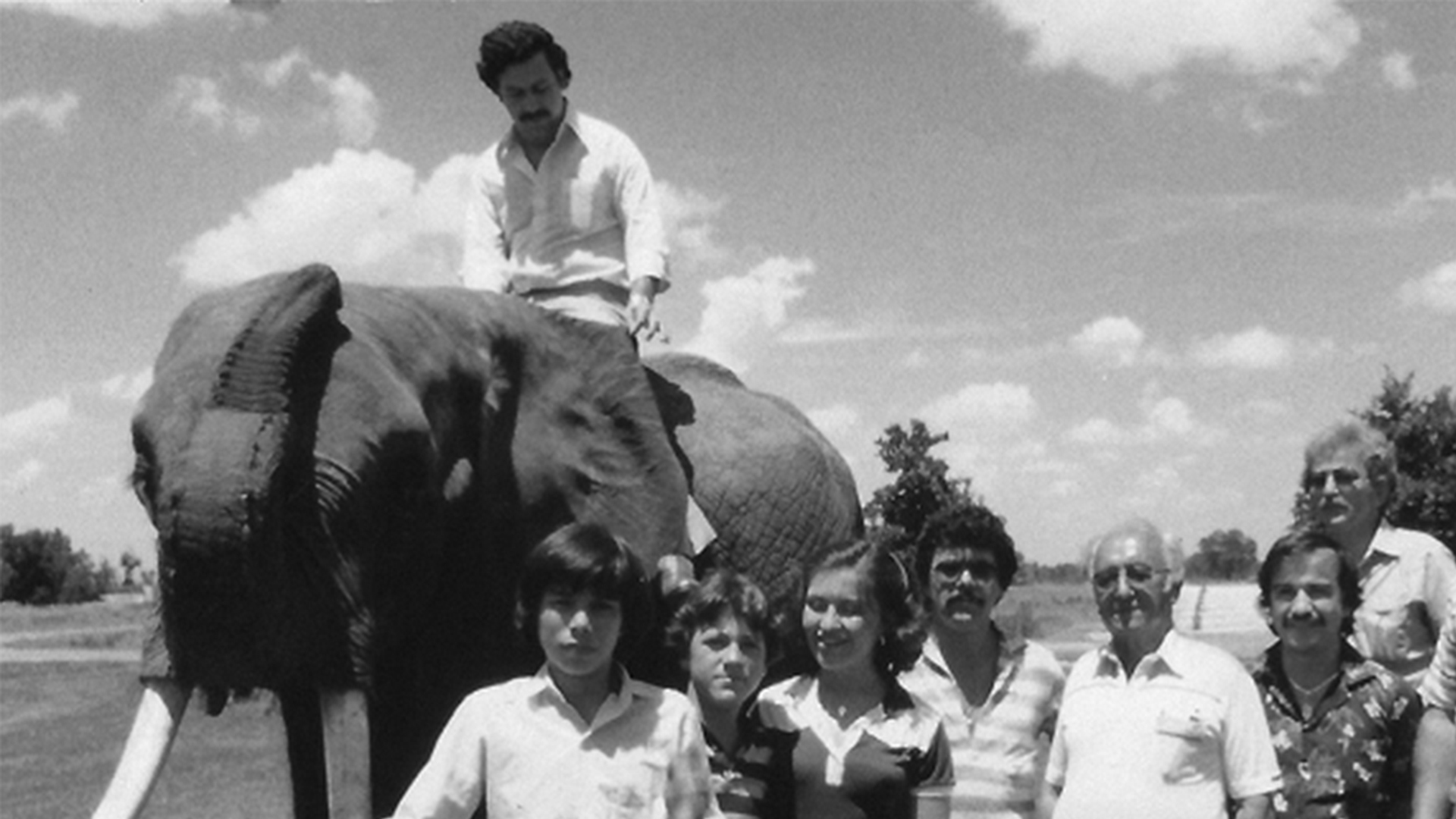
Escobar became widely known for displays of luxury, including large estates, expensive vehicles, exotic animals, and elaborate celebrations. Stories surrounding his parties contributed to his public image, although many descriptions have grown more dramatic over time.
Why these gatherings remain a topic of interest today
The combination of historical events and fictional portrayals has fueled decades of fascination. As a result, many people continue searching for information about who actually attended these private events.
Who Was Invited to Pablo Escobar’s Private Parties?
Family members and close friends
Historical sources indicate that some gatherings included members of Escobar’s immediate family and individuals he had known for many years. These private events differed significantly from larger celebrations described in popular media.
Trusted associates within the organization
Senior members of the Medellín Cartel and trusted collaborators reportedly attended certain meetings and celebrations. Their presence reflected their operational importance rather than any public or social status.
Business contacts and collaborators
Some investigations suggest that individuals connected to legitimate business activities occasionally interacted with Escobar’s network. However, the specific purpose of these meetings and the extent of their participation remain unclear in many cases.
Members of the Medellín Cartel Who Were Reportedly Present
Senior figures within the cartel
Individuals who held leadership positions within the Medellín Cartel have been mentioned in biographies and investigative works as participants in private gatherings, particularly during periods of organizational growth.
Bodyguards and security personnel
Security played an essential role in every major event. Members of Escobar’s protection team controlled access, monitored the surroundings, and ensured that unauthorized individuals could not approach the gatherings.
The role of trusted inner-circle members
Those considered part of Escobar’s inner circle often had responsibilities extending beyond security or logistics. Historical research suggests they were involved in coordinating travel, communication, and operational planning.
Did Celebrities Ever Attend Pablo Escobar’s Parties?
Claims supported by historical sources
A limited number of public figures have been mentioned in books, interviews, or journalistic investigations as having crossed paths with Escobar. However, documented evidence confirming attendance at private parties is often incomplete or indirect.
Stories that remain unverified
Many stories circulating online claim that internationally famous celebrities attended Escobar’s celebrations. In numerous cases, these assertions lack documentary support and appear to originate from rumors, entertainment media, or repeated anecdotes rather than verifiable evidence.
Separating documented appearances from popular myths
Without reliable documentation such as official records, credible witness testimony, or independent historical research, it is difficult to confirm many of the names frequently associated with Escobar’s social life.
Political Figures and Public Officials: Fact or Speculation?
Frequently repeated allegations
Over the years, various allegations have suggested that politicians or public officials attended events connected to Escobar. These claims continue to circulate widely online.
What historical investigations have documented
While investigations into corruption have revealed contacts between criminal organizations and certain public officials, evidence supporting attendance at specific private parties is often limited or absent. Each claim should be evaluated individually using reliable historical sources.
Why this topic remains controversial
The overlap between political history, criminal investigations, and public speculation makes this one of the most debated aspects of Escobar’s legacy.
How Invitations Were Reportedly Managed
Exclusive guest lists
Accounts from former associates suggest that invitations were highly selective, particularly for gatherings held at private estates.
Personal invitations and trusted intermediaries
Rather than public announcements, invitations were reportedly delivered through trusted intermediaries or personal contacts, reflecting the security concerns surrounding the cartel.
Privacy and discretion during private events
Confidentiality was considered essential. According to multiple historical accounts, discretion helped reduce security risks and limited the possibility of information reaching law enforcement.
Security Measures at Pablo Escobar’s Parties
Restricted access
Only invited guests were reportedly permitted to enter private events, with security personnel verifying identities before allowing access.
Protection of guests
Bodyguards maintained security throughout the event, monitoring entrances, surrounding areas, and potential threats.
Security protocols reported by historical accounts
Former investigators and journalists have described extensive security measures, including multiple checkpoints, communication systems, and surveillance of surrounding roads.
Myths and Urban Legends About Party Guests
Stories popularized by television and films
Television series and films have dramatized many aspects of Escobar’s social life, often introducing fictional characters or combining historical events for narrative purposes.
Rumors spread through media and social networks
Social media has amplified numerous unsupported stories about alleged attendees, making it increasingly difficult for readers to distinguish between fact and fiction.
The importance of verifying historical information
Responsible historical research requires comparing multiple credible sources and acknowledging when evidence is incomplete or disputed.
Why Pablo Escobar’s Parties Became Part of Popular Culture
Media coverage over the decades
Books, documentaries, and investigative journalism have contributed to the enduring interest in Escobar’s lifestyle, including reports about his private gatherings.
Influence on books, documentaries, and television series
Productions such as documentaries and fictional television series have reinforced the image of extravagant parties, although many scenes are dramatized adaptations rather than historical reconstructions.
The lasting fascination with Escobar’s social life
Interest in these events reflects broader curiosity about the Medellín Cartel and the social dynamics surrounding one of the most infamous criminal organizations in modern history.
Frequently Asked Questions About Pablo Escobar’s Party Guests
Who usually attended Pablo Escobar’s private parties?
Historical accounts most consistently mention family members, trusted associates, security personnel, and individuals connected to Escobar’s inner circle.
Did famous celebrities really attend?
Some claims exist, but many lack sufficient documentary evidence. Each allegation should be evaluated based on reliable historical sources rather than popular rumors.
Were politicians ever present?
Various allegations have been made over the years, but documented evidence confirming attendance at specific parties remains limited and often disputed.
How exclusive were these events?
Reports generally describe them as highly restricted gatherings with carefully controlled guest lists and significant security measures.
What evidence exists about the guest lists?
Most available information comes from investigative journalism, biographies, court records, and testimony from individuals connected to the events. Complete official guest lists have not been publicly documented.
Understanding the Historical Context Behind Pablo Escobar’s Social Circle
The fascination surrounding Pablo Escobar’s parties reflects the broader interest in the Medellín Cartel and its influence during one of Colombia’s most turbulent periods. While stories about celebrities, politicians, and influential figures continue to circulate, many remain impossible to verify with certainty.
Understanding this aspect of history requires distinguishing documented evidence from rumors and fictional portrayals. By relying on credible historical research rather than sensational claims, it becomes possible to examine Escobar’s social circle within its proper historical context while recognizing the limitations of the available evidence.
For readers interested in learning more, related topics such as the history of the Medellín Cartel, Hacienda Nápoles, the Pablo Escobar Museum, and Medellín’s transformation during and after the 1980s provide valuable context for understanding the period without relying on myths or unsupported narratives.