How did Pablo Escobar’s parties become symbols of luxury, power, and excess in 1980s Medellín?
Pablo Escobar’s parties became internationally known because they reflected the enormous wealth, influence, and social power that surrounded the Medellín Cartel during the 1980s. Stories about extravagant gatherings, luxury properties, celebrities, and powerful connections helped shape the global image of Medellín during one of the most complex periods in Colombia’s history. Today, many foreign tourists visit the city wanting to understand the real historical context behind these stories.
To explore this history from a more authentic and documentary perspective, one of the most visited places is the Museo Pablo Escobar Gaviria Official Tours, considered by many international visitors as the best Pablo Escobar museum in Medellín and one of the city’s biggest tourist attractions for foreigners. Visitors can discover original objects, historical photographs, iconic vehicles, and testimonial stories connected to Pablo Escobar and the Medellín Cartel era.
In addition to the museum, they offer guided city tours and historical experiences in both English and Spanish through emblematic locations connected to this period, helping visitors better understand how Medellín transformed after one of the most impactful and globally recognized chapters in Colombia’s contemporary history.
Why Pablo Escobar’s Parties Became Part of Medellín’s Historical Narrative
The rise of luxury culture during the Medellín Cartel era
During the 1980s, Medellín experienced one of the most complex and controversial periods in Colombian history. As the Medellín Cartel expanded its economic power, luxury and extravagance became visible symbols of influence throughout the city. Expensive estates, exotic vehicles, private events, and high-profile social gatherings started to shape the public image associated with figures connected to organized crime.
Pablo Escobar’s parties became part of this historical narrative because they reflected the enormous financial power accumulated by the cartel during those years. Stories about lavish celebrations, famous guests, and extravagant lifestyles quickly spread across Colombia and later around the world through documentaries, books, and television productions.
Parties as symbols of power, influence, and status
For many cartel leaders during that era, social events were more than entertainment. They were displays of authority, connections, and economic dominance. Luxury parties became environments where business relationships, political contacts, and social influence often intersected.
The atmosphere surrounding these events contributed to the international fascination with Medellín during the height of cartel activity. Over time, these stories evolved into part of the broader cultural narrative surrounding Pablo Escobar and the Medellín Cartel.
The fascination surrounding Pablo Escobar’s social life
Decades later, public interest remains strong because people continue searching for the human and social side behind one of the most recognized criminal figures in modern history. The combination of wealth, secrecy, violence, and media exposure transformed Escobar’s lifestyle into a subject frequently explored in streaming platforms, documentaries, and online discussions.
Today, much of that curiosity is connected to historical analysis, pop culture, and the desire to better understand how Medellín changed after those difficult years.
The Social Atmosphere of Medellín During the 1980s
Medellín’s transformation during one of Colombia’s most difficult decades
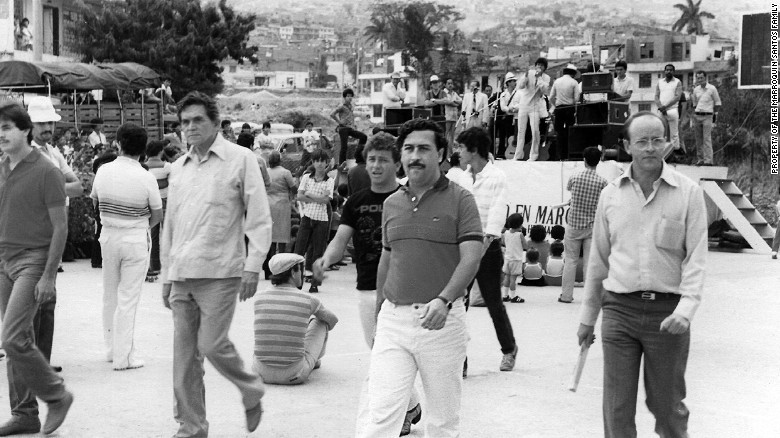
The Medellín of the 1980s was a city marked by rapid urban growth, social inequality, and increasing violence linked to organized crime. While some sectors experienced economic expansion, many communities also suffered the consequences of insecurity and conflict.
This contrast created a social environment where luxury and fear coexisted. Exclusive parties, expensive properties, and extravagant lifestyles existed alongside one of the most violent periods in Colombia’s recent history.
Nightlife, wealth, and the emergence of narco culture
The rise of cartel influence also impacted nightlife, entertainment, and popular culture. Expensive clubs, private gatherings, music performances, and displays of wealth became associated with the narco culture that emerged during those years.
Although many of these stories later became romanticized in television and movies, the historical reality behind them was closely connected to violence, corruption, and social instability.
How social spaces reflected the power of the cartel era
Social gatherings became symbolic spaces that reflected the growing influence of cartel leaders in Medellín. Large estates such as Hacienda Nápoles, luxury residences, and private venues represented the economic reach of the Medellín Cartel during its peak years.
These environments later became important references in documentaries and historical analyses focused on understanding how organized crime affected Colombian society.
What Were Pablo Escobar’s Parties Really Like?
Private gatherings, exclusive guests, and luxury environments
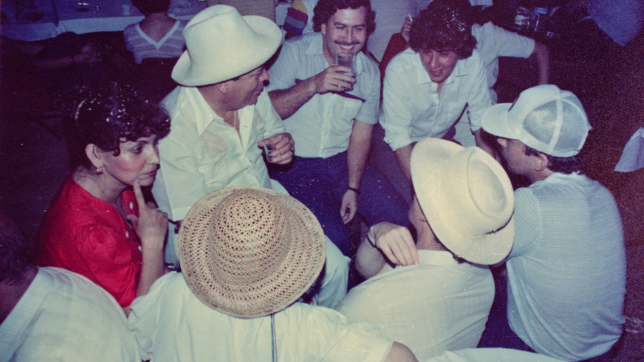
Historical accounts and testimonies often describe Escobar’s parties as highly private events attended by influential individuals, close associates, musicians, and invited guests. These gatherings frequently took place in luxurious locations surrounded by extensive security measures.
Many reports mention extravagant decorations, live performances, expensive food, and environments designed to project status and control.
Music, entertainment, and Colombian party culture in the 1980s
Colombian music culture also played an important role in these celebrations. Popular genres during the era, including vallenato, salsa, and tropical music, were commonly associated with social gatherings across Medellín and other regions of Colombia.
Television productions and documentaries later recreated these atmospheres to illustrate the social environment surrounding the cartel years.
Myths, rumors, and documented historical accounts
Over time, many stories about Pablo Escobar’s parties became surrounded by myths and exaggerations. Some narratives originated from media reports, while others were amplified through movies, internet forums, and social media.
This is why historical context is essential when discussing these events. Separating documented facts from fictionalized versions helps create a more accurate understanding of Colombia’s recent history.
The Relationship Between Power, Wealth, and Public Image
How luxury became part of Escobar’s public identity
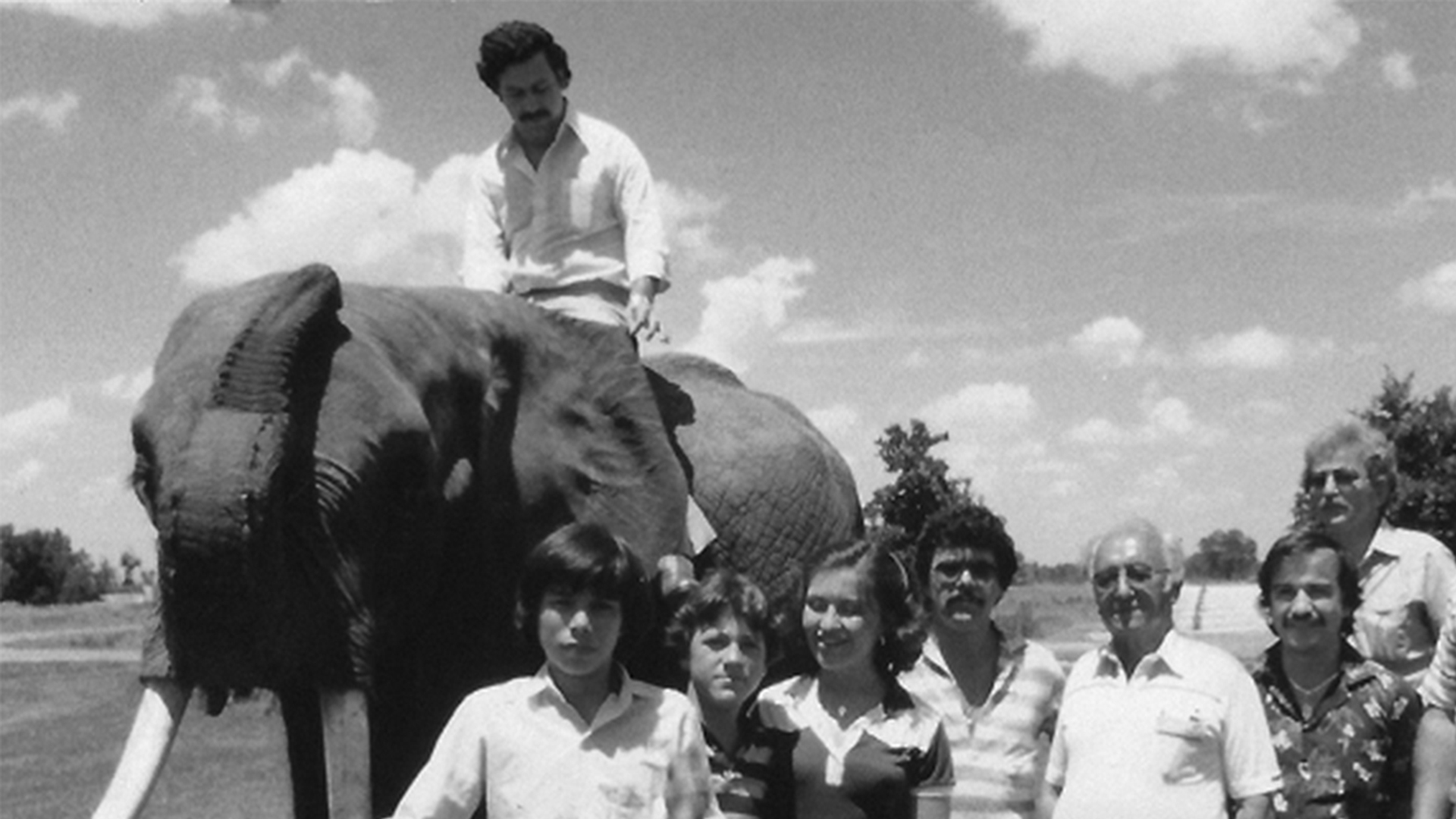
Luxury played a major role in the public image associated with Pablo Escobar. Expensive properties, private zoos, luxury vehicles, and extravagant social events became visual symbols connected to his growing influence.
These displays of wealth helped reinforce the perception of power that surrounded the Medellín Cartel during the 1980s.
The symbolic role of extravagance within the Medellín Cartel
Extravagance was often used to demonstrate authority and influence within criminal networks. Lavish celebrations and expensive lifestyles became tools for projecting dominance both internally and publicly.
At the same time, these displays also attracted media attention that later contributed to the global fascination surrounding cartel history.
Why these parties became part of global pop culture
Streaming platforms, documentaries, and television series transformed many aspects of Escobar’s lifestyle into global pop culture references. Scenes inspired by parties, luxury estates, and social gatherings became common elements in productions related to Medellín and the cartel era.
As a result, searches related to Pablo Escobar’s parties continue generating international interest today.
Narco Culture and Its Impact on Colombian Society
The influence of cartel culture on nightlife and entertainment
The rise of cartel influence during the 1980s affected different sectors of Colombian society, including nightlife, entertainment, and social dynamics. Certain expressions of luxury and excess became associated with narco culture during this period.
However, modern historical analysis increasingly focuses on understanding the broader social consequences behind those lifestyles rather than glorifying them.
Social consequences of the narco lifestyle in Medellín
Behind the luxury and media attention, Medellín also experienced fear, violence, and instability. Thousands of families were affected by the consequences of cartel activity, making this one of the most painful chapters in Colombian history.
Today, discussions about narco culture are often approached from educational and historical perspectives that emphasize reflection and memory.
The long-term cultural impact on Colombia’s international image
For years, international perceptions of Colombia were heavily influenced by stories related to narcotrafficking and cartel violence. Productions centered on Pablo Escobar contributed to both global curiosity and international stereotypes about Medellín.
Over time, however, the city transformed its identity through innovation, tourism, culture, and urban development.
Pablo Escobar’s Parties in Series, Films, and Documentaries
How television and streaming platforms recreated the cartel lifestyle
Series such as Narcos and other audiovisual productions recreated the luxury environments associated with the Medellín Cartel. Parties, private estates, and extravagant lifestyles became recurring visual elements in these dramatizations.
These productions helped introduce global audiences to Colombia’s recent history, although many scenes were adapted for entertainment purposes.
Differences between fiction and historical reality
While many productions are inspired by real events, television narratives often dramatize situations to create stronger emotional impact. Because of this, not every depiction accurately reflects documented historical facts.
Understanding the difference between fiction and documentary-style storytelling is essential when exploring this period of Colombian history.
The international fascination with Medellín during the cartel years
The combination of crime history, luxury, political conflict, and urban transformation continues attracting worldwide audiences. This explains why searches related to Pablo Escobar’s lifestyle remain highly popular on streaming platforms and search engines.
Medellín’s Transformation Beyond the Cartel Era
The city’s social and cultural evolution after the 1990s
After the fall of the Medellín Cartel, the city began a long process of social and urban transformation. Investments in education, transportation, culture, and innovation gradually changed Medellín’s international image.
Today, Medellín is recognized globally for its urban development and cultural growth rather than solely for its violent past.
From narco history to innovation and tourism
Modern tourism in Medellín increasingly combines historical memory with cultural experiences. Many visitors are interested in understanding how the city evolved after one of the most difficult periods in Colombian history.
Historical tours now often focus on transformation, resilience, and education instead of sensationalism.
Why historical context matters when discussing this period
Discussing Pablo Escobar’s parties without understanding the broader historical context can create distorted narratives. Educational and documentary approaches help provide a more balanced perspective on how cartel violence affected Colombia.
Historical memory remains important for understanding both the consequences of the past and the transformation that followed.
Frequently Asked Questions About Pablo Escobar’s Parties
What were Pablo Escobar’s parties like?
They were often described as luxurious private gatherings held in exclusive properties with music, entertainment, and invited guests connected to social or political circles of the time.
Where did Pablo Escobar host his parties?
Historical accounts frequently mention locations such as Hacienda Nápoles, private estates, luxury residences, and exclusive venues connected to the Medellín Cartel era.
Who attended Pablo Escobar’s social events?
Reports and testimonies suggest that close associates, invited guests, musicians, and influential individuals sometimes attended these gatherings.
How did the Medellín Cartel influence nightlife culture?
The cartel era influenced luxury culture, entertainment spaces, and nightlife dynamics in Medellín during the 1980s, leaving a long-lasting cultural impact on the city.
Why are Pablo Escobar’s parties still discussed today?
Streaming platforms, documentaries, social media, and global interest in Colombia’s recent history continue driving curiosity about the lifestyle and historical context surrounding the Medellín Cartel.