Over the years, Pablo Escobar’s life has been adapted into numerous TV shows, films, and books. One recurring element in these portrayals is his extravagant parties — often shown as epic, hedonistic, and symbolic of his power. But how much of that reflects reality? And how has pop culture helped shape or distort the legacy of Escobar’s wild social life?
From Netflix to Narco Novelas: Escobar’s Social Life on Screen
Shows like Narcos, El Patrón del Mal, and films like Loving Pablo have all emphasized Escobar’s lavish lifestyle. In these dramatizations, his parties are presented as moments of chaos and spectacle — full of luxury, alcohol, and celebrities.
While these shows rely on some documented events, the details are often heightened for dramatic effect. The parties are exaggerated to show the contrast between Escobar’s social extravagance and the violence of his operations. This has helped solidify the idea of Escobar not just as a criminal, but as a mythological figure surrounded by wealth and vice.
According to the Media: A Month-Long Party That Inspired Pop Culture
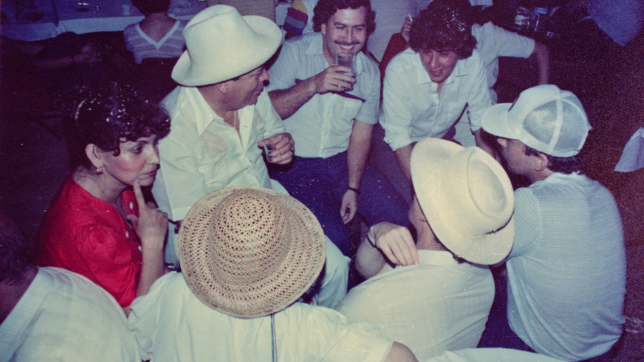
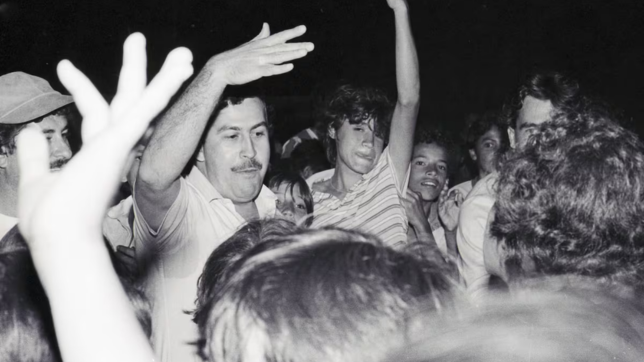
A detailed investigation by Infobae revealed that Escobar once held a party at Hacienda Nápoles that lasted for a month, with new guests arriving daily and musicians performing each night. The article describes how the estate hosted artists flown in from Latin America, and how the sheer scale of the celebrations inspired local rumors and, eventually, screenwriters and journalists.
This real event has directly inspired scenes in multiple productions, including the Narcos episode where Hacienda Nápoles is shown as a surreal playground of excess. However, the dramatizations often shift the tone toward fantasy, creating a tension between history and entertainment.
The Danger of Glorifying the Party Myth
One problem with these portrayals is that they risk glorifying Escobar’s lifestyle. While the parties were real, they were funded by violence and built on systemic corruption. When the focus leans too much into the glamour — without showing the consequences — the image becomes distorted.
Audiences may walk away impressed by Escobar’s charisma or wealth, forgetting the thousands of lives affected by his actions. This concern has been raised by critics, sociologists, and even the Colombian government, which in the past has warned against the “narco-aesthetic” seen in entertainment and tourism.
A Legacy Rewritten in Lights and Sound
Escobar’s parties, as portrayed in pop culture, have become shorthand for excess and criminal glory. But they were more than just background music for illegal operations — they were real, strategic displays of dominance, as we’ve explored in What were Pablo Escobars parties really like?
Understanding the reality behind the dramatizations helps break through the myths and recognize the deeper human and social consequences of his reign.